In today’s rapidly evolving digital world, healthcare stands at the forefront of innovation. From AI-powered diagnostics to virtual consultations, technology is reshaping patient care and enhancing outcomes like never before. Yet, with these advancements comes a shadow: increased vulnerability. As healthcare providers embrace digital transformation, they inadvertently expose themselves to a surge in cyber threats—threats that are smarter, faster, and more relentless than anything we’ve faced before.
The New Cybersecurity Frontier
AI-driven cyberattacks are fundamentally changing the landscape of cybersecurity. Unlike traditional threats, these sophisticated attacks continuously adapt and learn, often outpacing conventional defense mechanisms. They are engineered to operate quietly, infiltrating critical systems, manipulating sensitive data, and potentially disrupting essential healthcare operations. The implications extend beyond financial loss; in healthcare, a system failure can directly impact patient safety and clinical outcomes.
Why Healthcare?
Healthcare isn’t just another industry; it’s deeply personal. It deals with our most private data and life-critical services. Here’s why it’s being targeted:
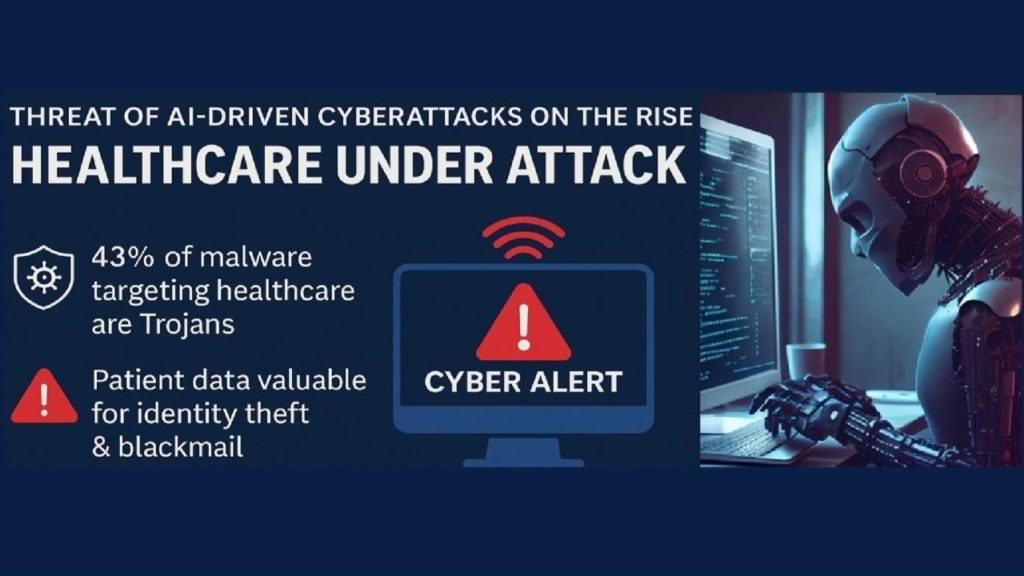
- High-value Data: Patient records are a goldmine for identity theft, fraud, and even blackmail.
- Legacy Systems: Many healthcare facilities still rely on outdated infrastructure that can’t keep up with modern cyber threats.
- Expanded Attack Surfaces: With the growth of telehealth and connected medical devices, there are now more ways for attackers to breach systems.
The Reality Behind the Numbers
Recent studies paint a sobering picture:
- Over 43% of malware attacks in healthcare come from Trojans, silently stealing sensitive data.
- AI-powered phishing and ransomware attacks are becoming more frequent and sophisticated.
- Despite the growing threat, only a small fraction of healthcare providers feel truly prepared.
A recent report by LevelBlue, shared by SecurityBrief https://securitybrief.com.au/story/healthcare-faces-surge-in-cyberattacks-ai-driven-threats, reinforces this reality. It found that 32% of healthcare organizations suffered a data breach last year, with 46% noting a significant increase in cyberattacks. Yet, less than one-third feel equipped to defend against these AI-driven threats. Even more concerning, just 21% have clear visibility into their software supply chains—a crucial yet overlooked vulnerability.
Beyond the Headlines: What’s at Stake
The consequences of a cyberattack go far beyond the financial:
- Patient Care Disruption: When systems go down, critical surgeries are delayed, and lives are put at risk.
- Loss of Trust: Data breaches erode patient trust—an essential pillar of healthcare.
- Operational Shutdowns: Ransomware can freeze entire hospitals, leaving doctors helpless and patients vulnerable.
What Needs to Change
Healthcare leaders need to rethink their approach. The old playbook won’t work against new-age threats. Here’s what they must prioritize:
- AI-Powered Security Solutions: Use machine learning to spot unusual behavior and catch threats before they escalate.
- Zero Trust Frameworks: Trust no one. Verify everything.
- Regular Patching and Updates: Don’t let outdated software be the weak link.
- Supply Chain Vigilance: Know who you’re working with and ensure they’re secure.
- Employee Empowerment: Equip every staff member to recognize and report cyber threats.
A Call to Action
AI has the power to revolutionize healthcare, but only if we protect the systems that patients rely on. Cybersecurity isn’t just an IT issue—it’s a patient safety issue. It’s about ensuring that when someone needs help the most, technology is there to support them, not fail them.
The cost of complacency is too high. In a world where every second counts, we must act decisively.
Stay vigilant. Stay protected. Healthcare—and lives—depend on it.